Land and sea
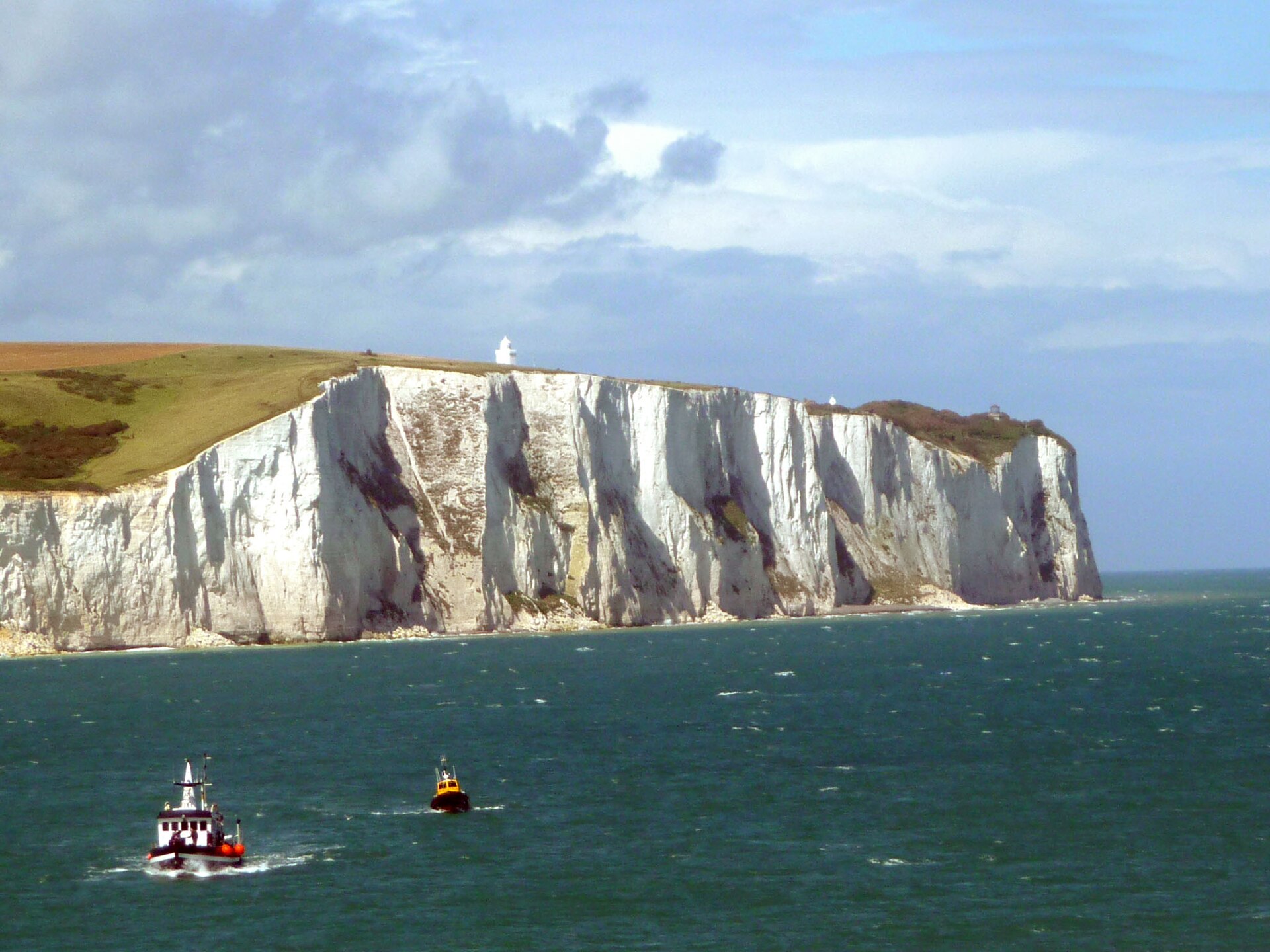
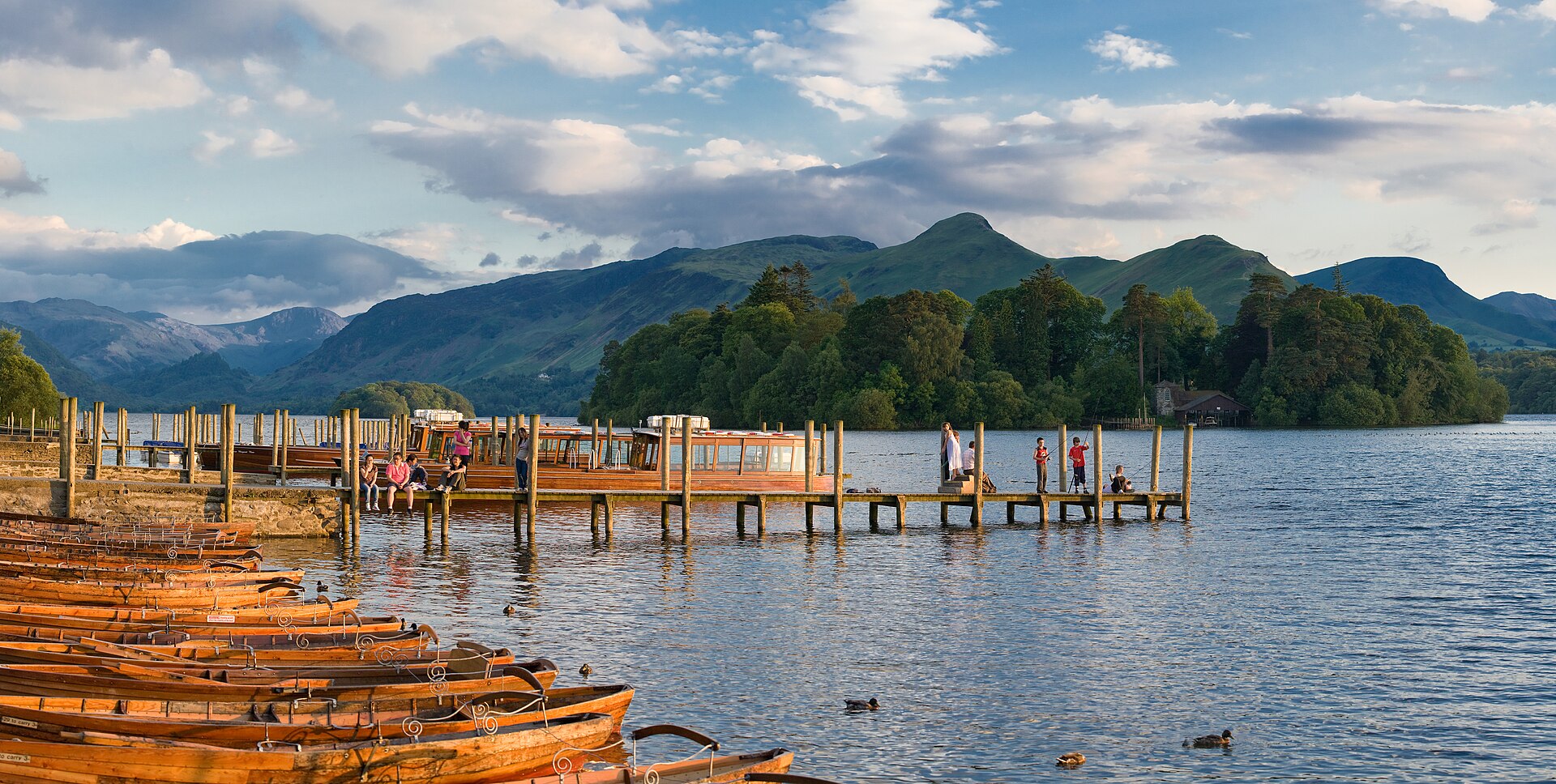
Chalk cliffs, moors, fens, and a long coast. The white cliffs of Dover look out to sea. The lakes of Cumbria sit in the hills.
Seventy years as queen
A history of England for children
England has its own story. These pages use short sentences, real places, and people you can name.
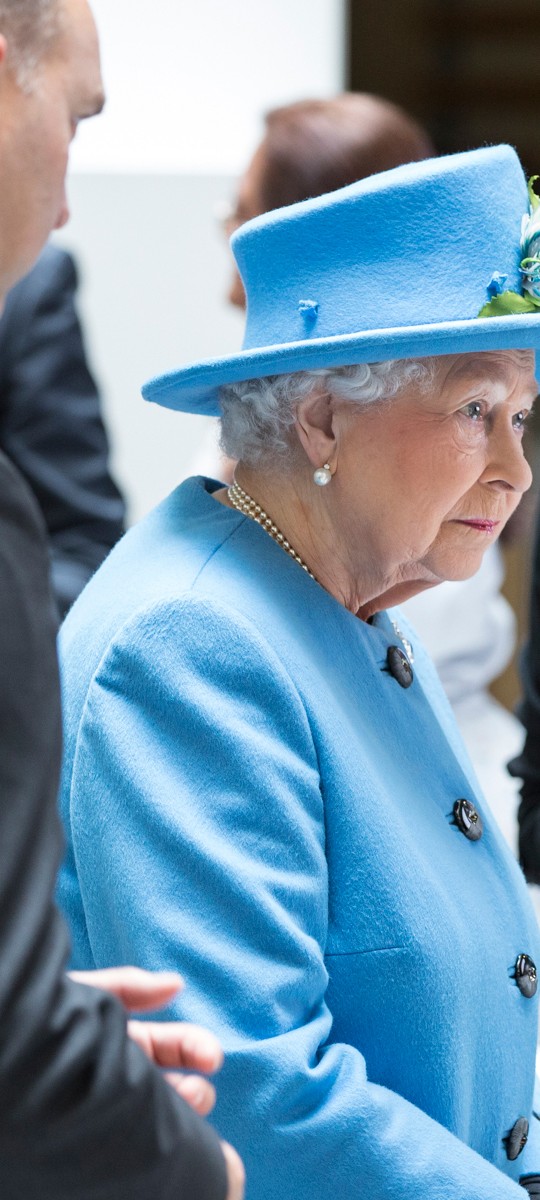
Queen Elizabeth II was queen of the United Kingdom for seventy years. Children knew her bright hats and her corgis.
Chalk cliffs, moors, fens, and a long coast. The white cliffs of Dover look out to sea. The lakes of Cumbria sit in the hills.
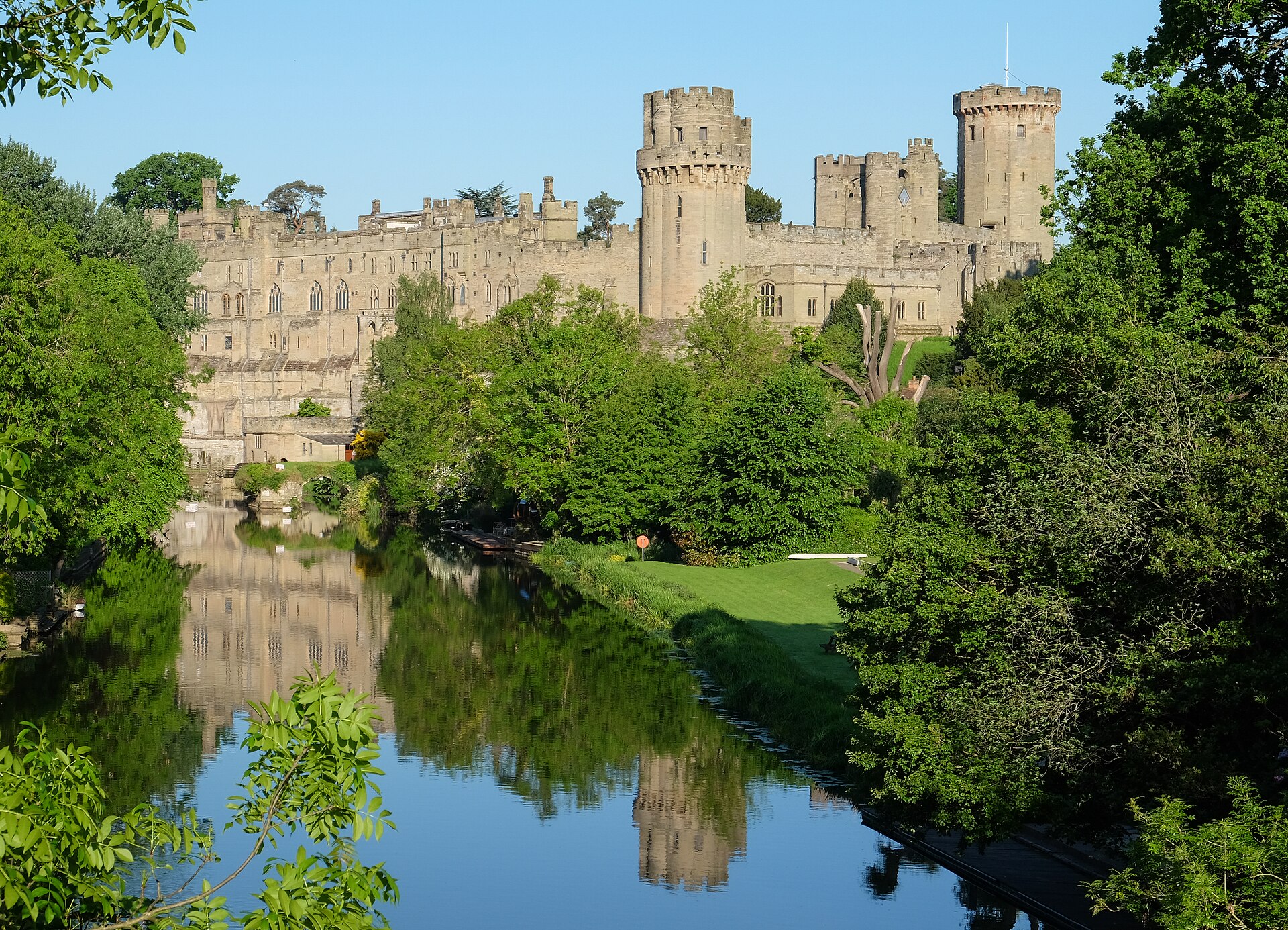
Castles kept towns and river crossings. Warwick Castle still stands by the Avon. Durham's castle shares a hill with the cathedral.
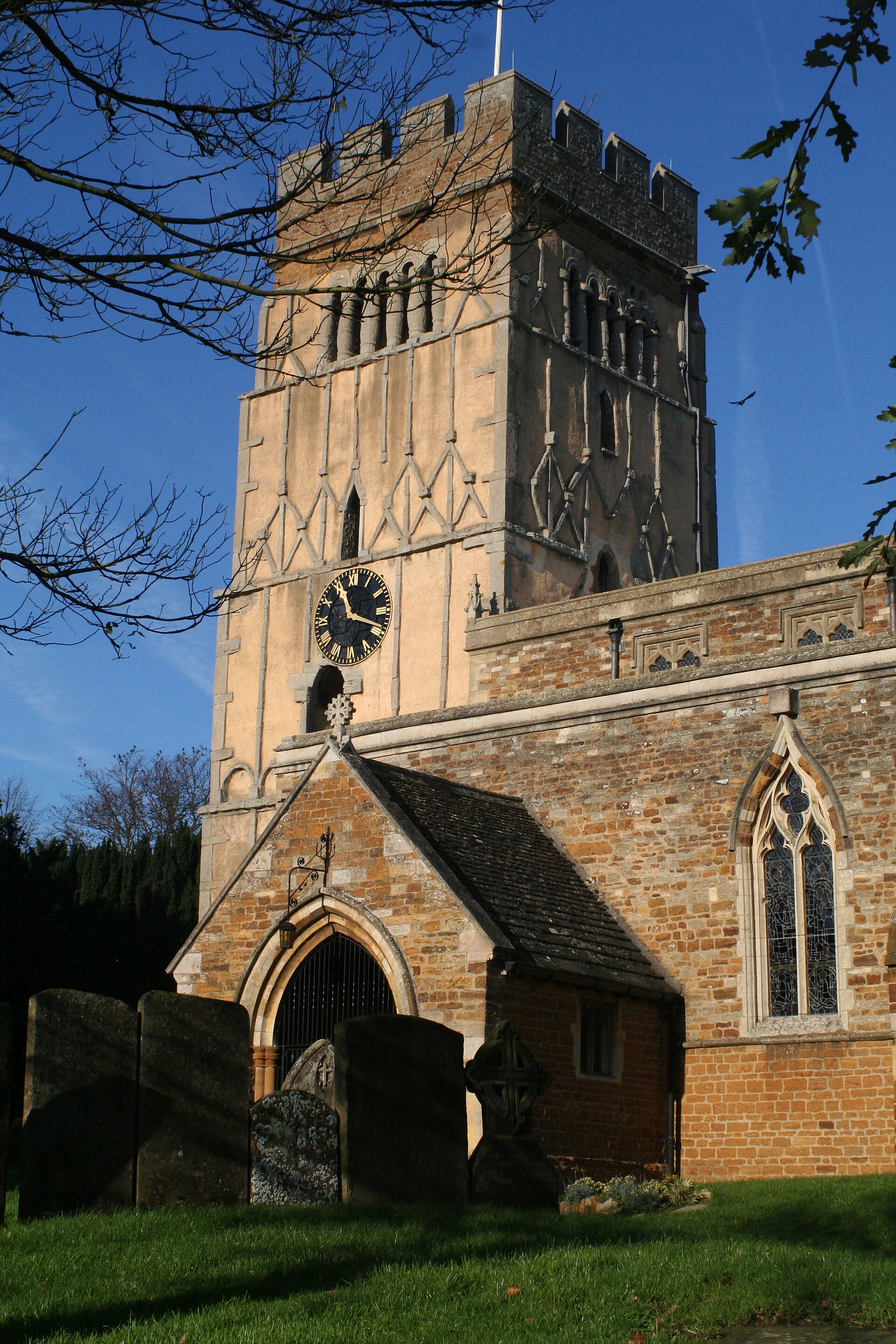
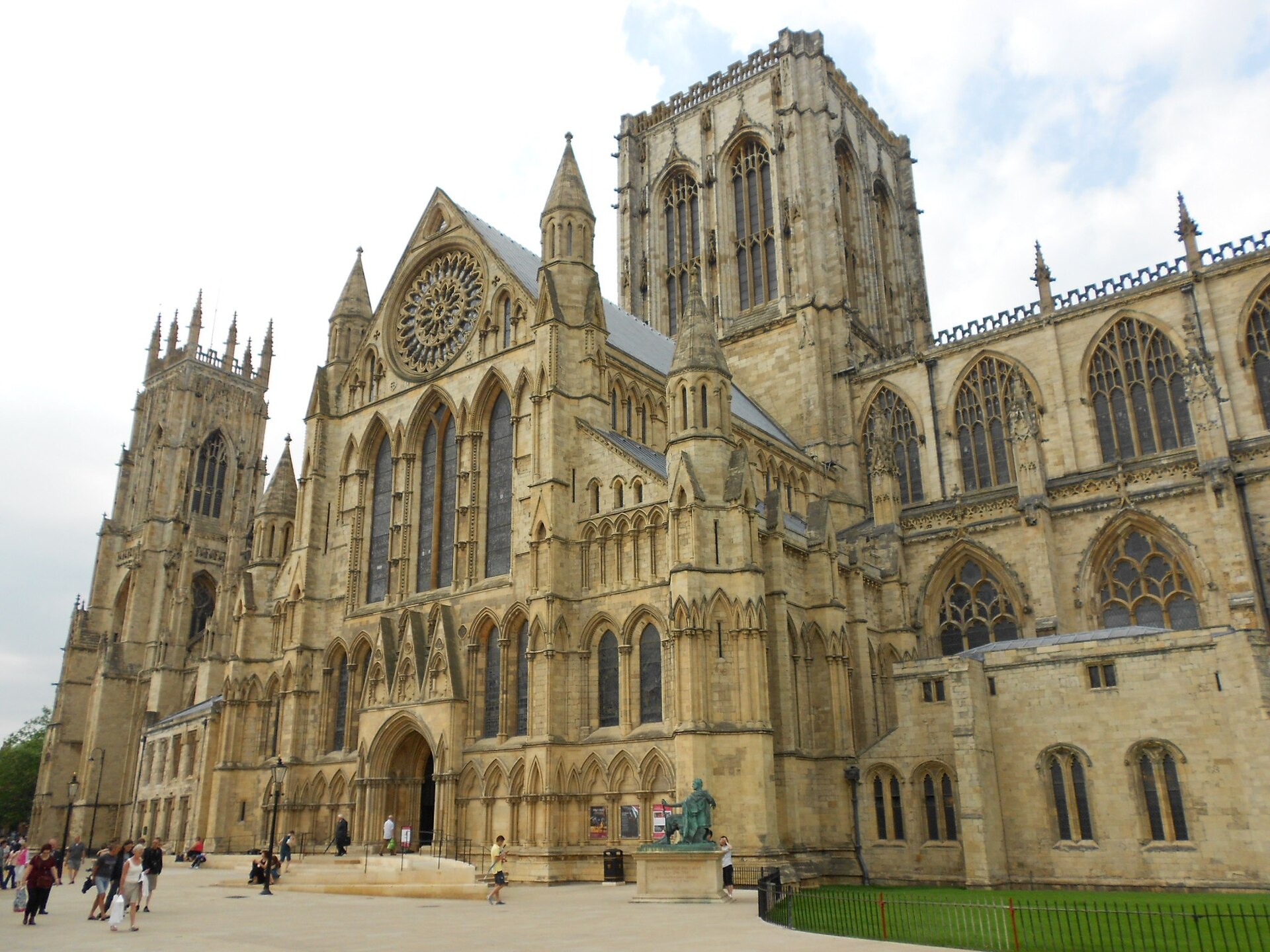
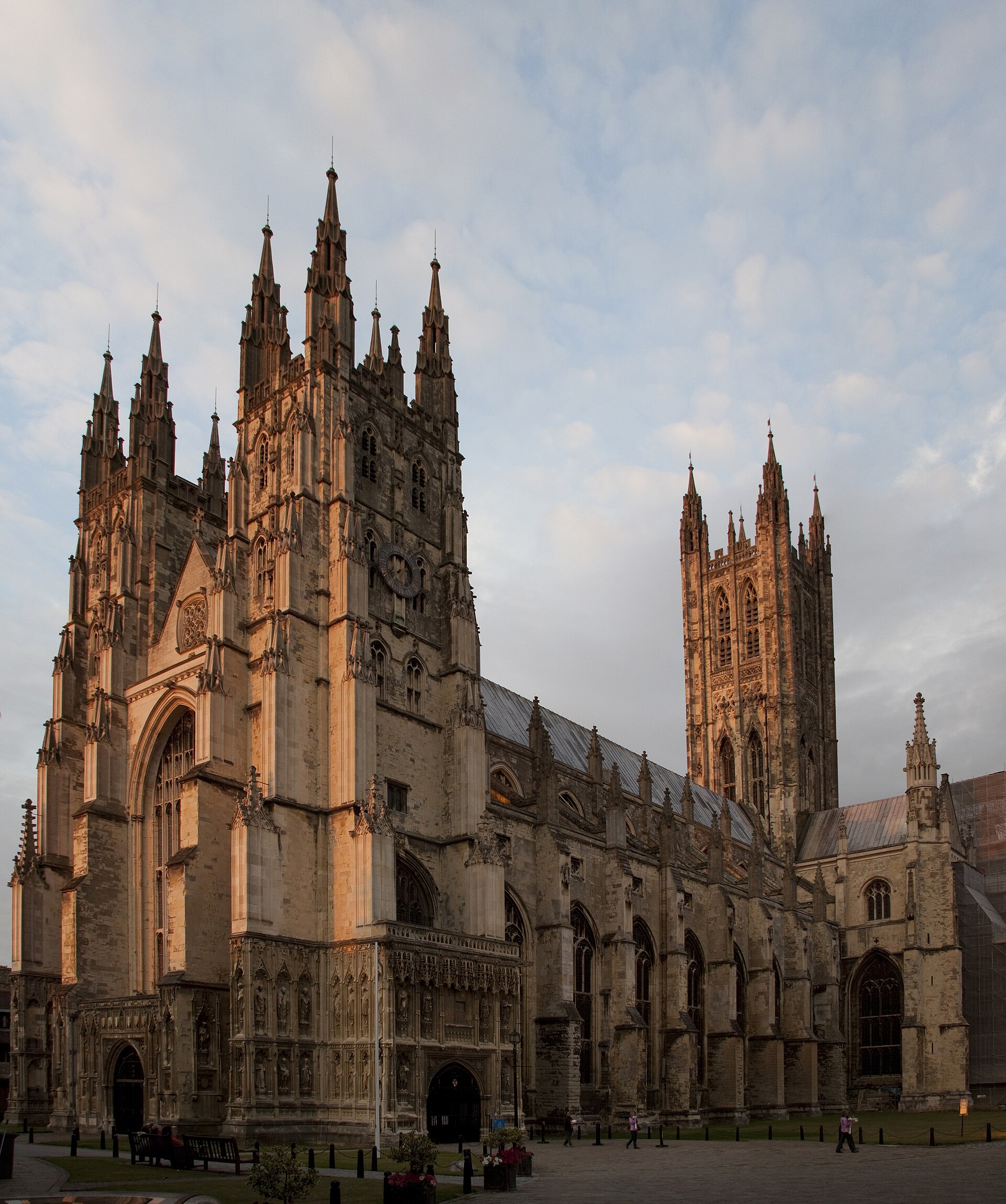
Parish churches sit in many villages. England is also home to other faiths. Stories such as Arthur and Robin Hood are tales, not reports we can check. Read the beliefs page.
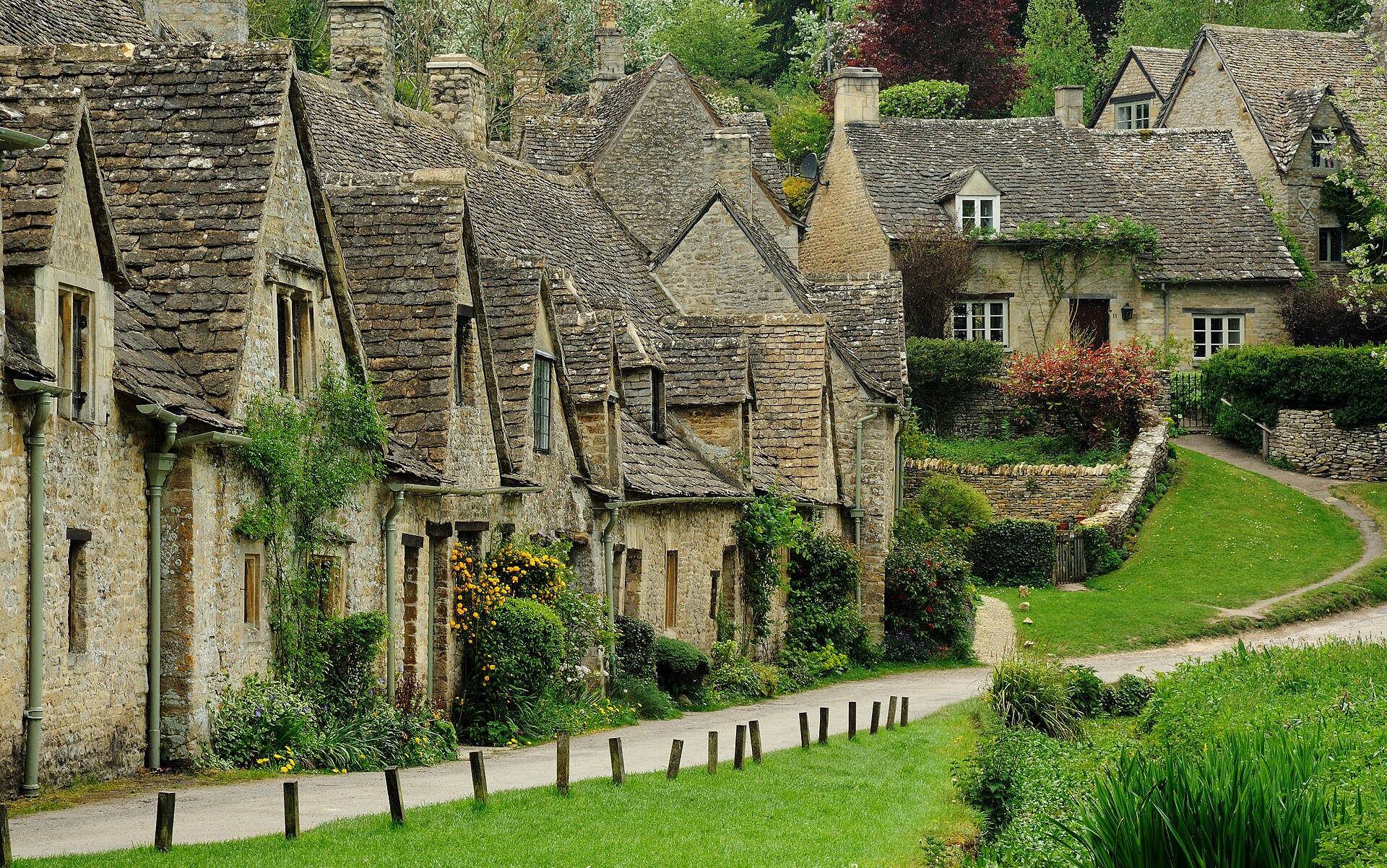
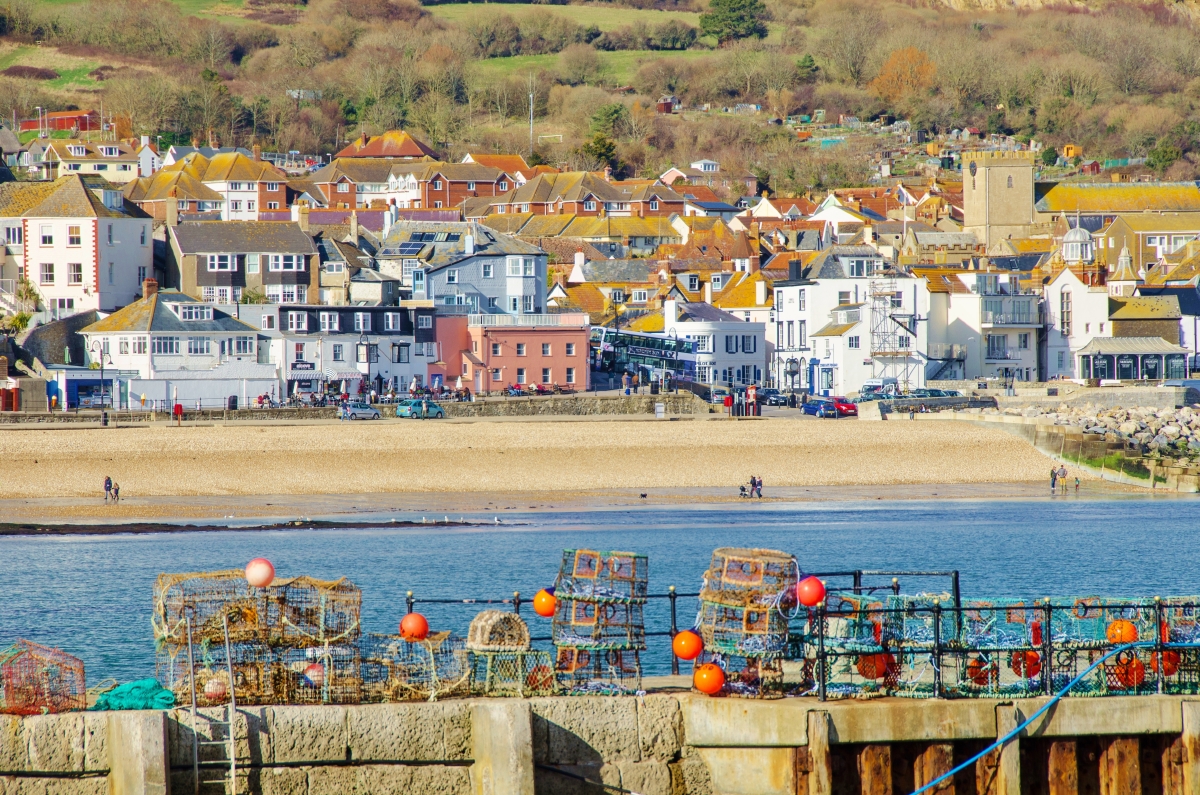
People live in villages, towns, and cities. They go to school, to shops, and to parks. Stone cottages, terraces, and new streets are all part of England.
About 4000 BCE
The first farmers reached this land about 6,000 years ago. They grew crops and kept animals.
About 2500 BCE
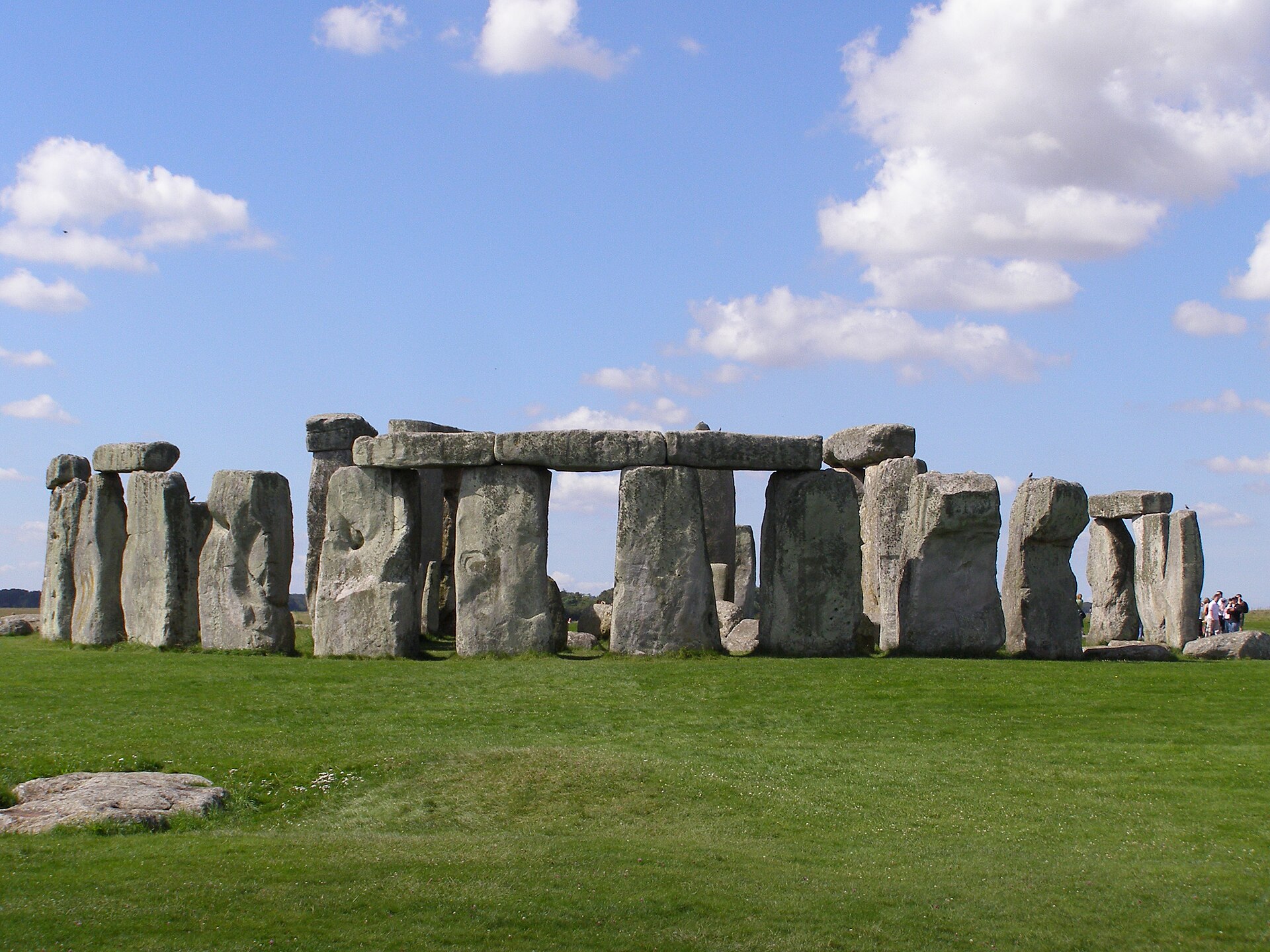
People raised the stones at Stonehenge and Avebury. We are not sure what the circles were for.
Year 43
Roman armies came in the year 43. They built towns, roads, and, later, Hadrian's Wall.
Early 400s
In the early 400s, the Roman armies left. Local leaders had to manage on their own.
About 600–900
Angles, Saxons, and others formed kingdoms such as Northumbria, Mercia, and Wessex. England was not one country yet.
927
In 927 Æthelstan ruled over the English kingdoms. Many people call him the first king of all England. We are not sure of every border.
1066
In 1066 William of Normandy became king after the battle of Hastings.
1215
In 1215 barons made King John agree to a charter. It said even a king had to keep some rules.
1348
In 1348 a great illness, called the Black Death, changed villages and towns.
1485–1603
In the Tudor court, music, plays, and portraits mattered, and the ruler's word carried great weight.
1588
In 1588 a Spanish fleet sailed against England. Storms and English ships kept it from landing.
1640s
In the 1640s people in England fought a civil war about the king and Parliament.
1666
In 1666 a fire burned much of the City of London. Wren and other builders raised new churches, including St Paul's.
1707
In 1707 the parliaments of England and Scotland joined. England stayed a country, inside a larger kingdom.
About 1760–1900
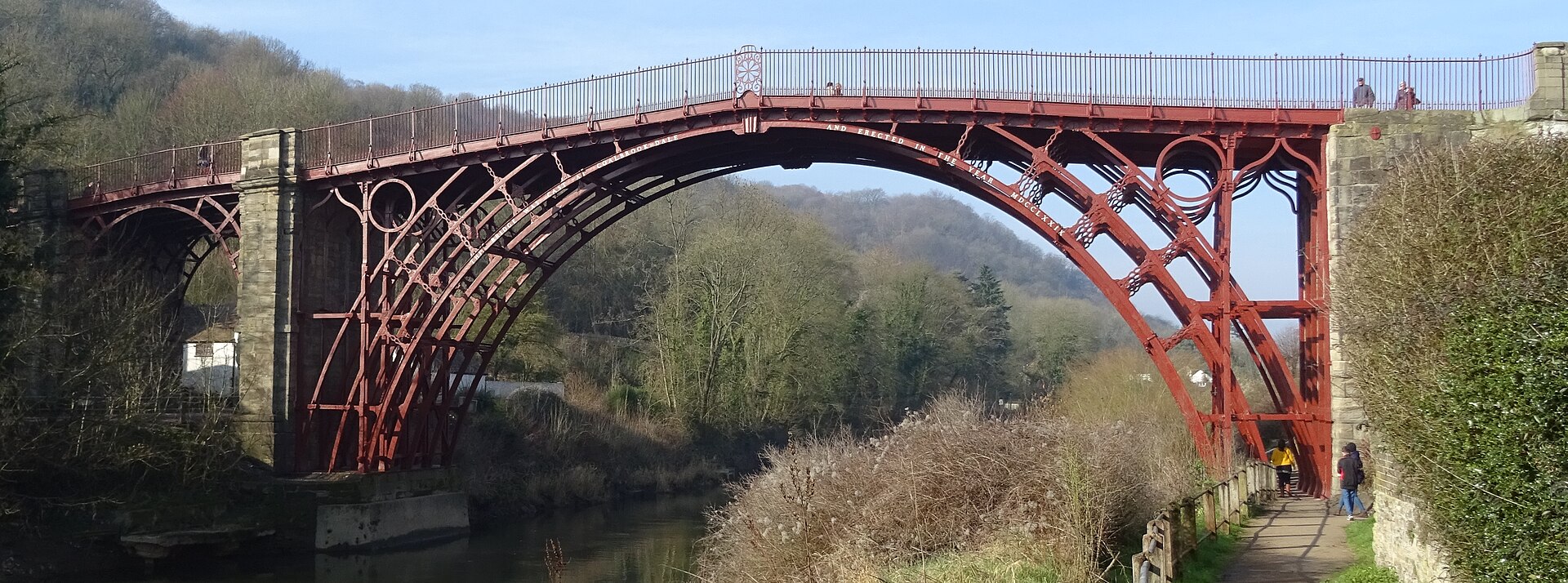
In the industrial towns, new mills and railways changed how people worked and lived.
1914–1918
In 1914 a war began that lasted four years. Families in every county felt it.
1939–1945
A second great war ran from 1939 to 1945.
1948
In 1948 the National Health Service began in Britain, so people could see a doctor without paying at the door.
1989
Tim Berners-Lee, who was born in London, set out the World Wide Web while working in Switzerland. He shared the work. The internet was already there, built by many people.
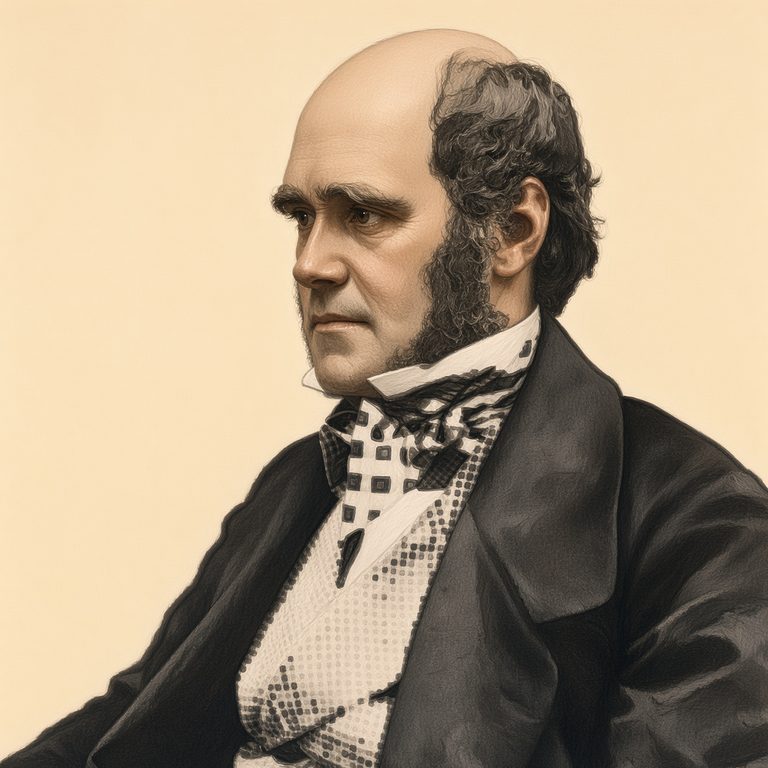
Wrote that living things change by natural selection
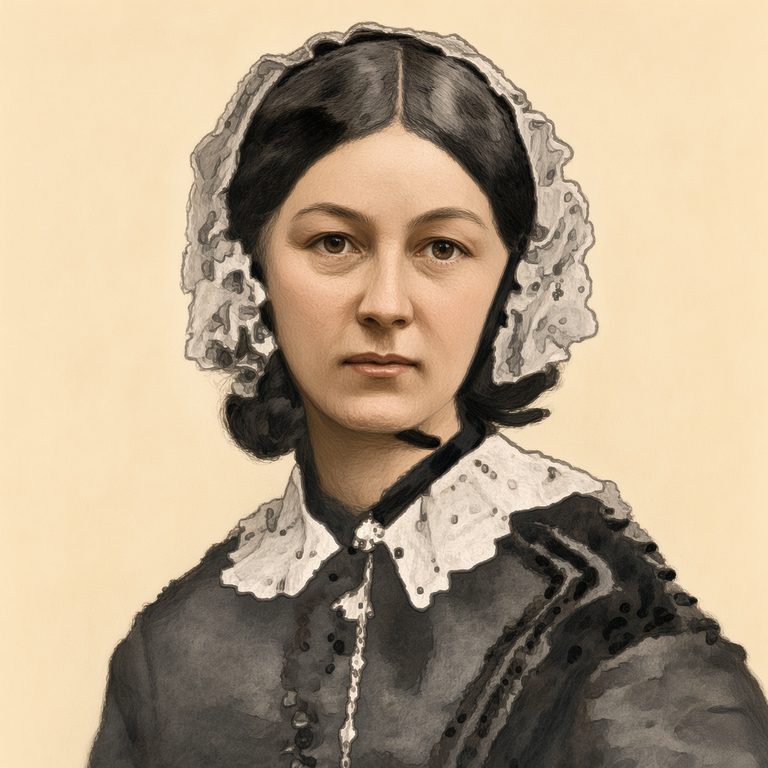
Trained nurses and used numbers to improve hospitals
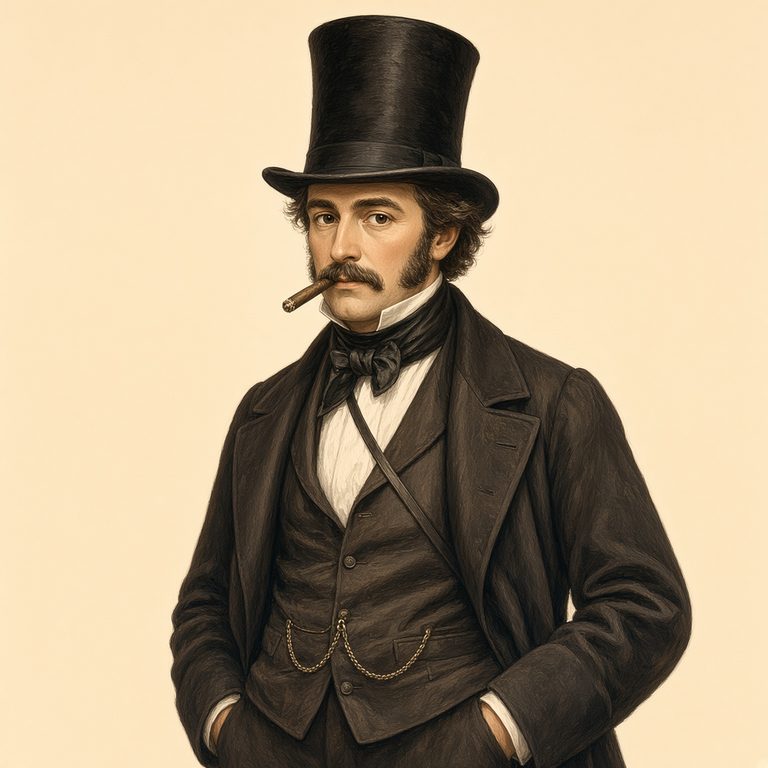
Engineer of bridges, ships, and the Great Western Railway
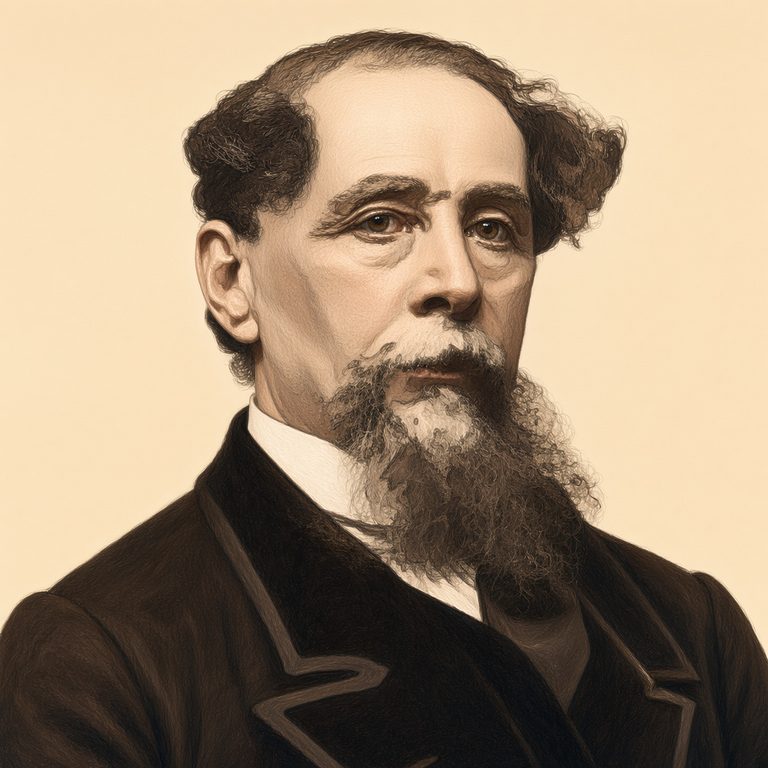
Novelist of Oliver Twist and A Christmas Carol
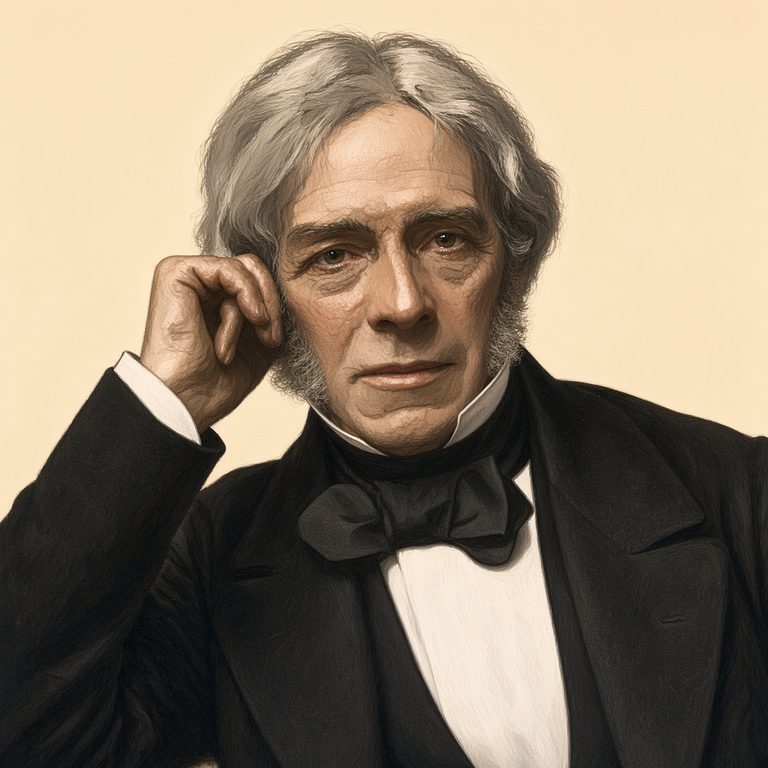
Found out more about electricity and made a simple motor
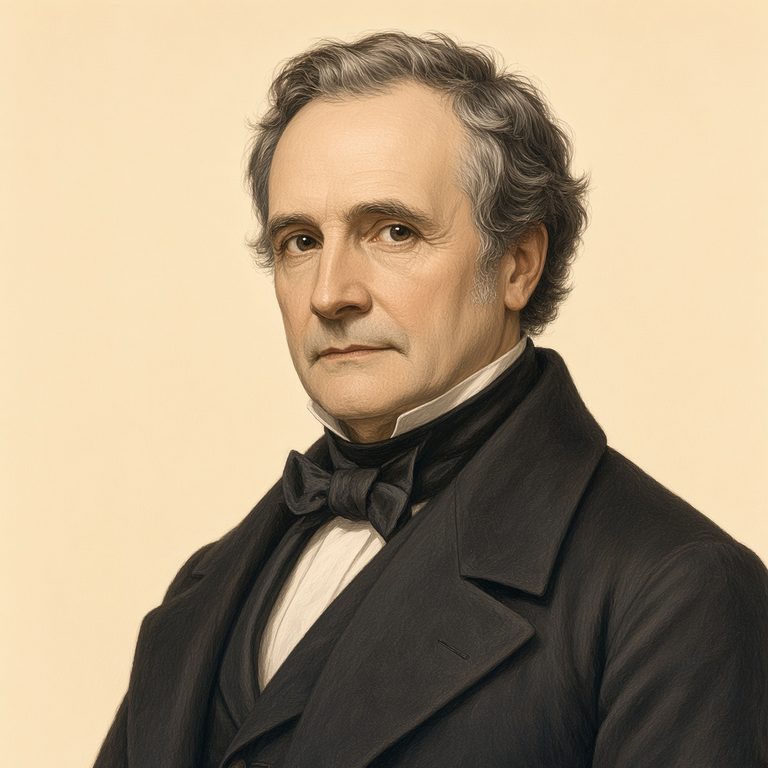
Designed calculating machines in London
Famous People — Actors, musicians, writers, and sports stars, with dates and five facts each.